
























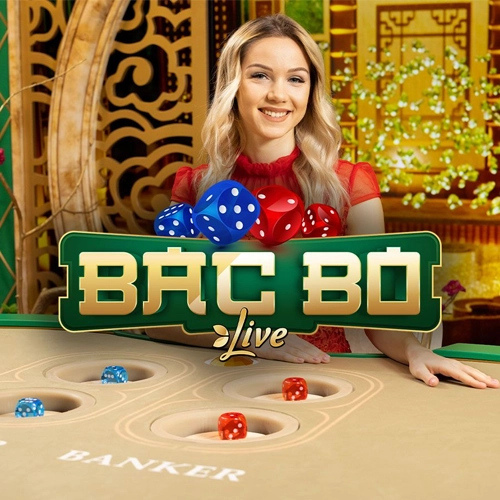















Live dealer games on the Limbo platform function as a distinct category of real-time table gaming, streamed from professional studio environments to Canadian users. These sessions operate under standardized procedures and adhere to operational regulations defined by the platform and its third-party providers. The role of this game type is to provide a structured, observational interface for table games where physical equipment and human dealers are used. All gameplay outcomes follow predetermined rules, and the availability of specific titles may be subject to provider licensing agreements and regional compliance requirements in Canada. The platform does not influence results beyond facilitating the connection to the studio feed.
Live Game Categories and Studio Formats
The live dealer offering on the Limbo platform is organized into several standard categories, each reflecting established casino formats. The primary categories include live roulette, blackjack, baccarat, and game-show style productions. Live roulette studios typically feature a single wheel and ball mechanism, monitored by multiple fixed camera angles, including a top-down view of the wheel and a close-up of the betting grid. Blackjack tables are arranged with up to seven player positions, each equipped with a dedicated camera view for card observation. Baccarat studios generally follow a streamlined layout with a single camera perspective covering the shoe, the hand areas, and the scoreboard. Game-show formats, such as those based on wheel-spinning or card-matching mechanics, are produced from larger sets with multiple cameras and visual effects overlays. Each studio operates under a fixed set of gameplay principles: bets are placed within a defined countdown window, the dealer executes physical actions (spinning a wheel, dealing cards), and the outcome is visually determined and recorded.
Technology, Streaming, and Interface
Technical operation relies on a centralized streaming architecture that transmits video from the studio to the user’s device. The platform uses standard video compression formats, typically H.264, delivered at resolutions ranging from 720p to 1080p, depending on the user’s connection speed. Live feeds are transmitted over WebRTC or RTMP protocols to minimize latency. The interface is designed for compatibility with desktop browsers, mobile browsers, and dedicated app clients on iOS and Android. Core interface tools include a digital betting grid, a historical round display, and controls for adjusting video quality and audio level. Bet input mechanics function through a graphical chip selector; the user places bets by clicking or tapping on designated areas of the grid. Network requirements for stable operation include a minimum download speed of 5 Mbps for standard definition and 10 Mbps for high definition. Latency, typically between 1.5 and 3 seconds, is a function of the video encoding process and the user’s network round-trip time. The platform does not guarantee uninterrupted service during periods of network congestion.
Dealer Roles and Gameplay Rules
Dealers operating within the live studio environment are responsible for executing all physical game procedures as defined by the provider. Their duties include announcing the start and end of betting rounds, handling cards according to a fixed cut and shuffle protocol, spinning the roulette wheel, and announcing results. Gameplay pacing is standardized: each round follows a timed cycle of betting, dealing, resolution, and payout. Card handling protocols involve the use of an automatic shuffler for blackjack and baccarat, with the dealer drawing cards from a shoe. Roulette outcomes are generated by spinning a physical wheel in one direction and a ball in the opposite direction; no random number generator is used for this game type. Fairness controls include the presence of multiple overhead cameras to record each round, the use of sealed card shoes, and the requirement for dealers to display card faces clearly before action. Outcome monitoring is performed by the provider’s internal audit systems and is recorded for later review in accordance with operational guidelines.
Table Limits, Availability, and Regional Constraints
Table limits for live dealer games offered to Canadian players vary by title and provider. Minimum bets typically range from CAD 1.00 on low-stakes tables to CAD 10.00 on standard tables. Maximum bets can reach up to CAD 10,000 on high-stakes blackjack or roulette tables. Peak-time table load refers to the number of active players at a given table; many tables allow up to seven seated players in blackjack and unlimited observers in roulette. Availability of specific games is managed by the platform and subject to provider licensing. For example, examples of specific provider titles include Evolution Gaming tables, which are commonly accessible. Certain game-show titles may be restricted at peak hours due to capacity limits. Regional constraints for Canada are defined by the regulatory requirements of the province where the user is located. Users in Ontario may encounter different availability than those in other provinces due to specific licensing agreements. The platform administers this limitation through geo-location checks during the login process. In terms of other game types, a limbo bet refers to a simple multiple-based game where a user selects a target multiplier, and a limbo crypto game functions similarly on the platform, though it is not classified as a live dealer title. Instructions for how to play limbo stake are documented separately, and verification of is limbo available in canada is confirmed through the platform’s game library filter.
| Game Category | Minimum Bet (CAD) | Maximum Bet (CAD) | Common Provider |
|---|---|---|---|
| Live Roulette | 1.00 | 10,000.00 | Evolution Gaming |
| Live Blackjack | 5.00 | 5,000.00 | Evolution Gaming |
| Live Baccarat | 10.00 | 5,000.00 | Evolution Gaming |
| Game-Show Formats | 1.00 | 1,000.00 | Evolution Gaming |